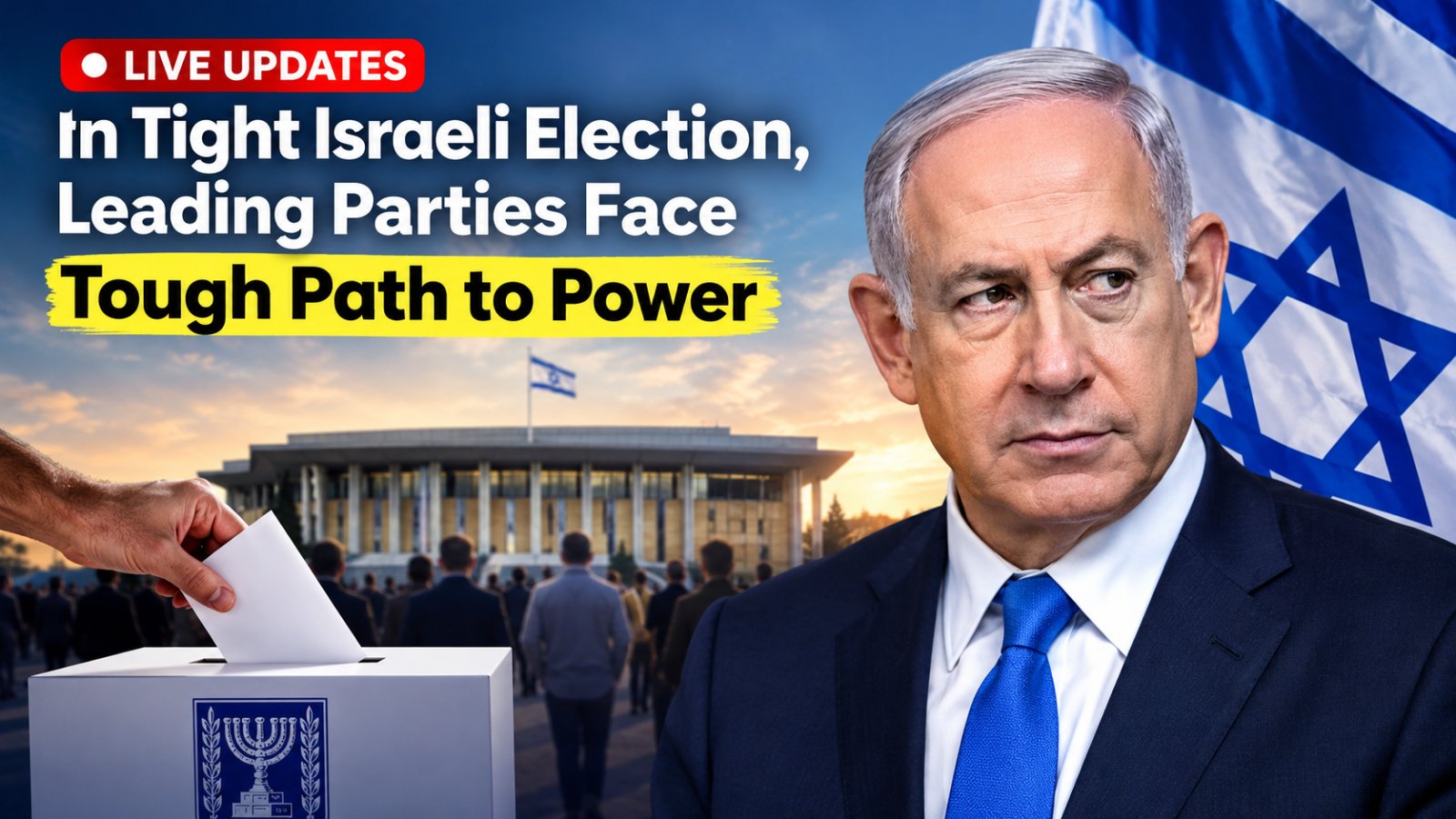
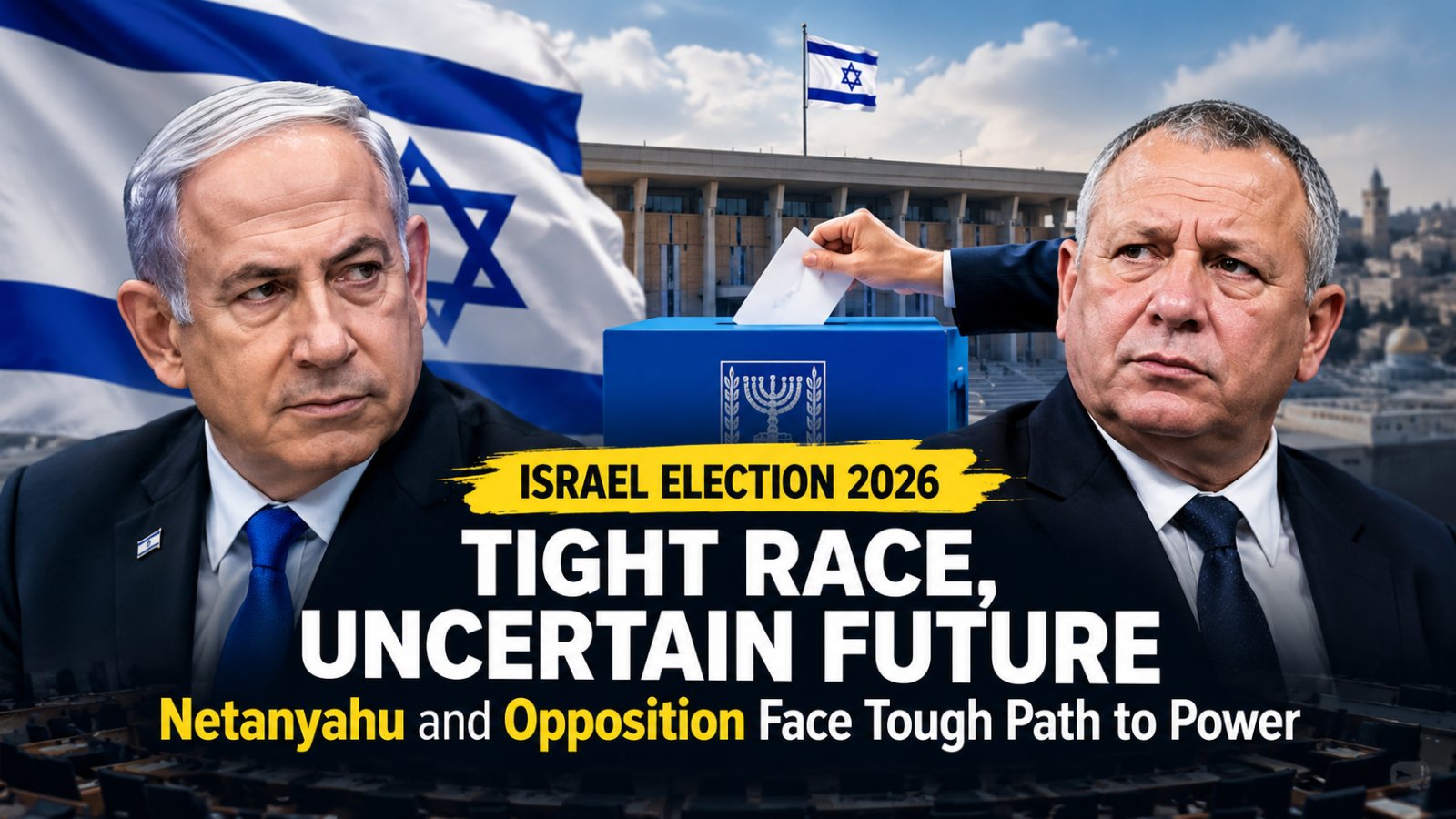
Netanyahu's Next Move After Israel Election 2026
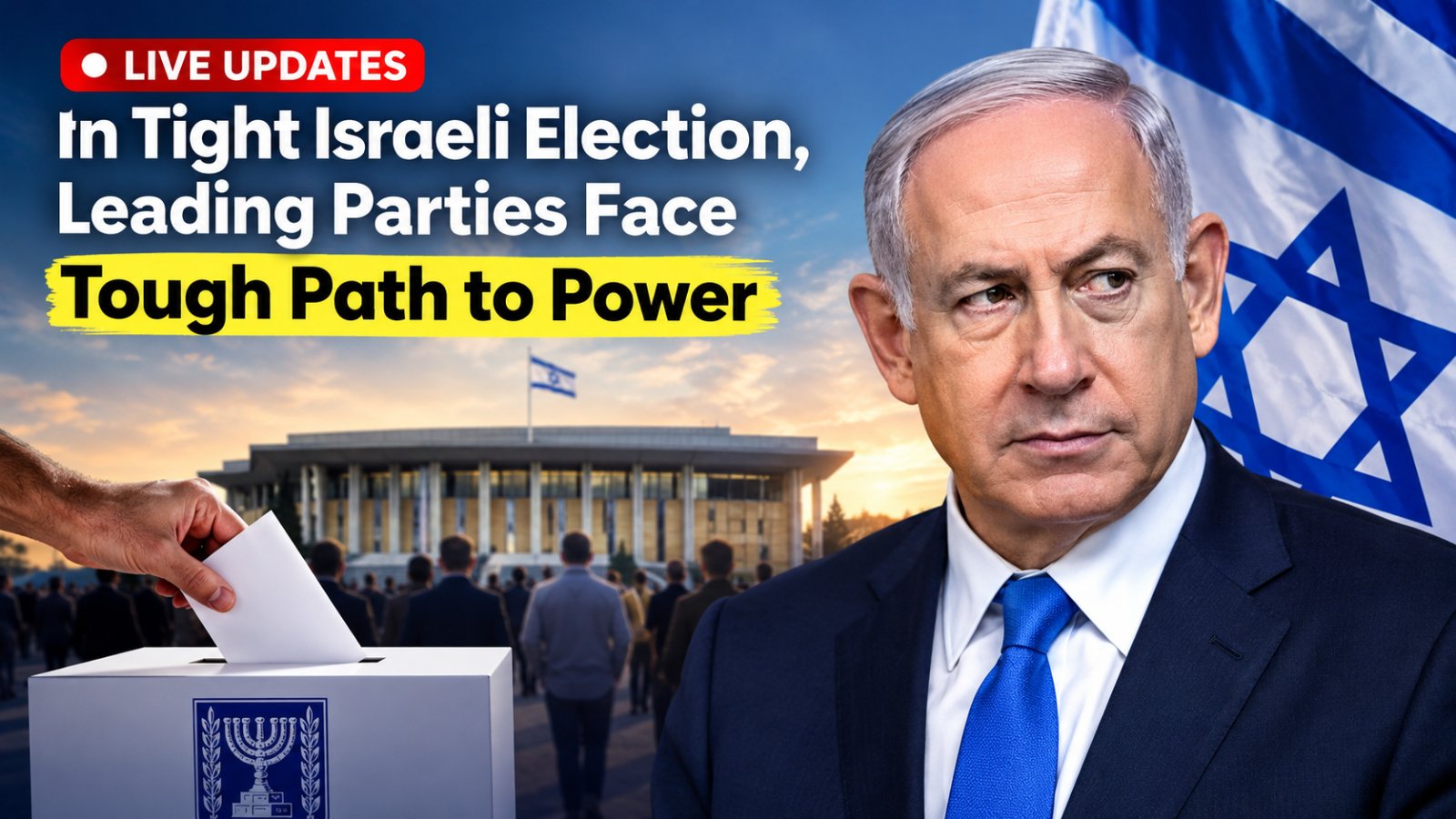
Netanyahu's Next Move: Can He Form Israel's Next Government?
Benjamin Netanyahu remains a central figure in Israel's political contest, but the Israel election 2026 has left the next government's composition uncertain. His Likud party's performance gives him a significant position in negotiations, yet parliamentary support—not simply finishing first—will determine whether he can remain in office.
The Challenge of Building a Majority
The Knesset contains 120 seats, meaning a government generally needs support from at least 61 members. If Netanyahu's bloc falls short, his political future may depend on persuading other parties to cooperate or finding a different arrangement that can survive parliamentary votes.
Coalition negotiations can be complicated because parties may disagree over security policy, religious issues, economic priorities and the responsibilities of government. Even parties that share some political goals may refuse to join the same coalition because of disputes over leadership or policy commitments.
Possible Political Paths
One possibility is an agreement with parties that are ideologically closer to Likud. Such a deal would require enough parliamentary support and potentially difficult compromises.
A broader unity arrangement is another theoretical option, but it would depend on whether rival leaders are willing to work together. Political statements made during an election campaign can limit these options, although negotiations sometimes reveal different priorities after results become clearer.
If no candidate can assemble a viable majority, Israel could face an extended period of political uncertainty while leaders continue negotiations. The exact timetable depends on the country's formal government-formation process and developments following the official results.
Why the Opposition Matters
Gadi Eisenkot and other opposition figures are also seeking a route to power. Their challenge is to coordinate parties with different priorities and find enough parliamentary support to form an alternative government. That task may require difficult decisions about potential coalition partners.
What to Watch
- Officially confirmed seat totals for each party and bloc.
- Public statements about possible coalition partners.
- Whether negotiations produce a stable majority.
- Any formal announcement about the candidate tasked with forming a government.
Conclusion
The election has not only tested Netanyahu's political strength; it has also highlighted how difficult coalition-building can be in a divided parliament. The next government will depend on negotiations, parliamentary arithmetic and the willingness of parties to reach an agreement.
FAQs
Does the largest party automatically form the government?
No. The key issue is whether a candidate can obtain sufficient parliamentary support.
Could coalition talks take time?
Yes. When no bloc has a clear majority, negotiations may continue while parties explore possible agreements.
Editorial note: Coalition options described here are possibilities, not confirmed agreements. Verify all developments before publication.