Israel Election 2026: Why Arab-Led Parties Could Play a Key Role
Israel Election 2026: Why Arab-Led Parties Could Play a Key Role
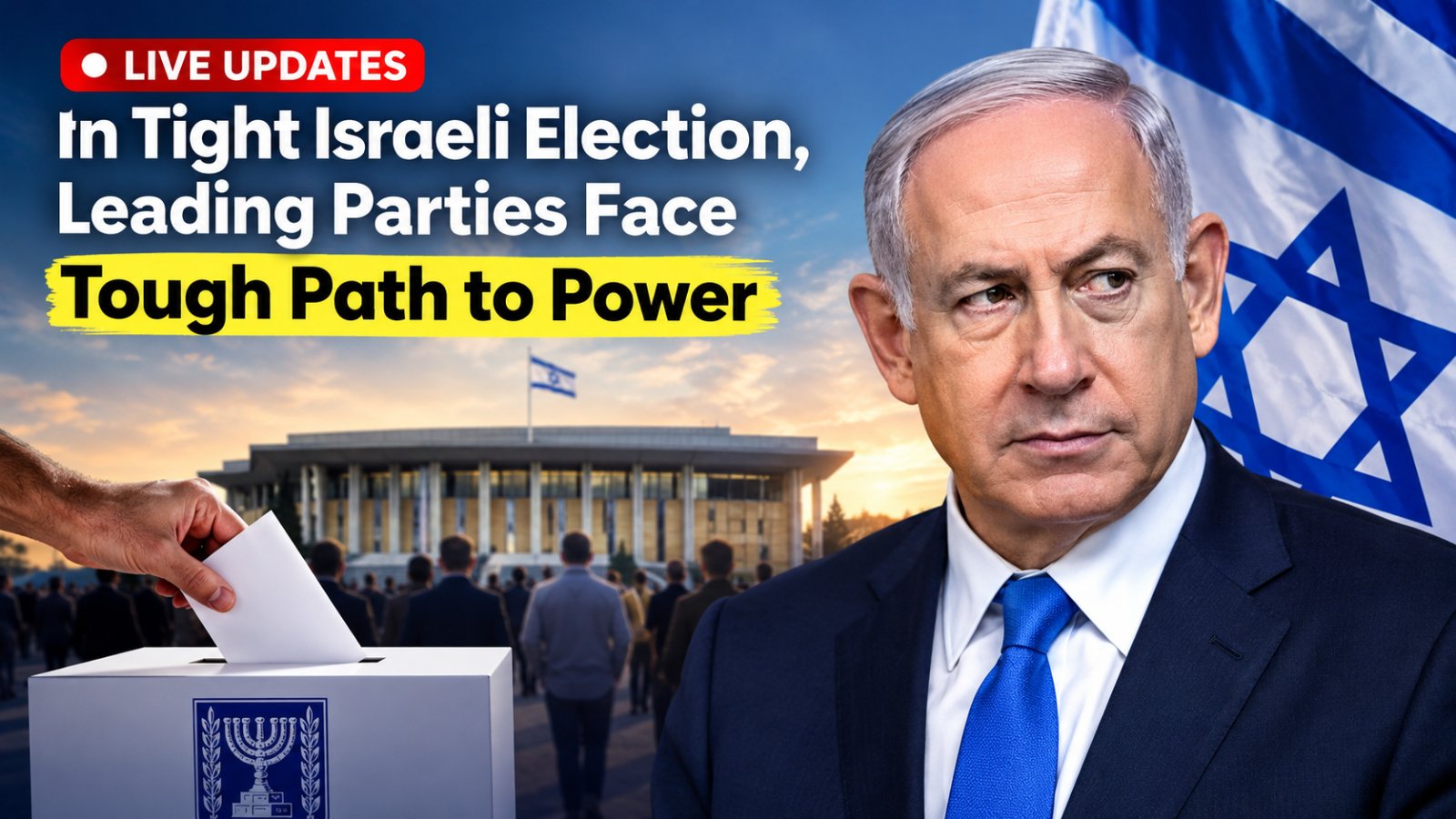
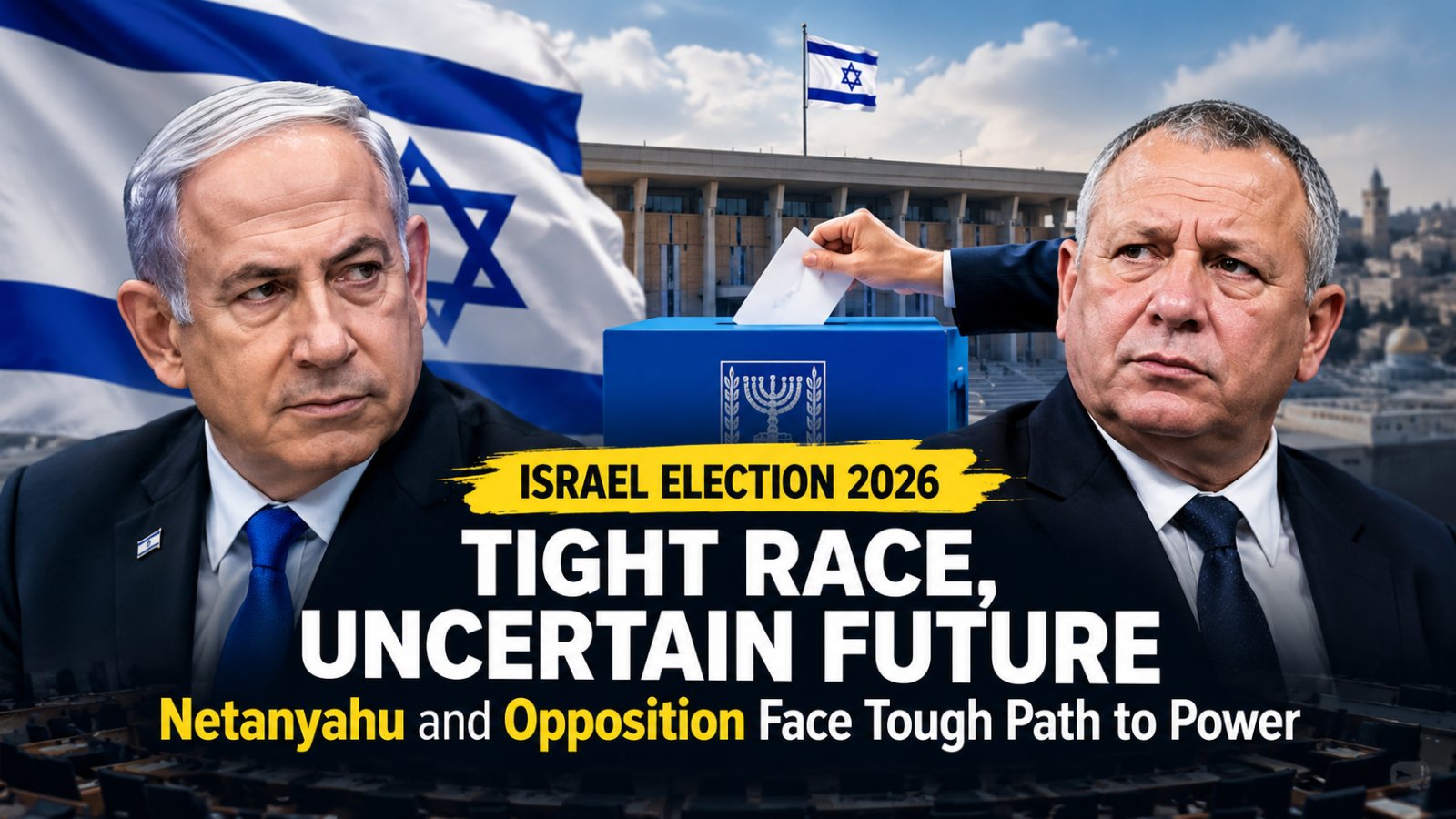
The Israel election 2026 has placed parliamentary alliances at the centre of the country's political debate. With rival blocs struggling to secure a clear majority, parties representing Arab citizens of Israel could become important to efforts to form the next government.
Why Parliamentary Numbers Matter
Israel's parliament, known as the Knesset, has 120 seats. A government generally needs the support of at least 61 members to command a majority. When the main political blocs fall short, smaller parties can become influential in negotiations.
This does not mean that any party will automatically join a coalition. Political leaders must consider policy differences, public opinion, party commitments and the practical requirements of governing.
The Role of Arab-Led Parties
Arab-led parties represent parts of Israel's Arab citizen population and have their own political priorities. Their parliamentary strength can matter when other parties need additional support to reach a majority.
However, cooperation between Arab-led parties and major Jewish-Israeli political blocs has been politically sensitive. Some leaders have argued for broader cooperation, while others have rejected or questioned depending on Arab parties to support a government.
The outcome will depend on the official distribution of seats and the decisions party leaders make after the election. Potential influence should not be confused with a confirmed coalition agreement.
What Could Happen During Coalition Talks?
Political parties may explore several arrangements as they assess whether a government can be formed. Discussions could include policy commitments, parliamentary support and agreements on how a government would operate.
If the main blocs cannot secure sufficient support, negotiations could become prolonged. That uncertainty can affect the political agenda and delay decisions that require a functioning government.
What the Election Means for Israeli Politics
The election highlights the importance of coalition-building in a parliamentary system. The party with the most seats may have an advantage, but the final outcome depends on whether a candidate can secure enough support across the Knesset.
For Arab-led parties, the negotiations may create opportunities to influence political discussions. Whether that influence translates into formal participation, outside support or no agreement at all remains a matter for the political process to determine.
Frequently Asked Questions
How many seats are in Israel's parliament?
The Knesset has 120 seats.
Why could Arab-led parties matter?
Their seats could affect whether a political bloc reaches the support needed to form a government.
Have coalition agreements been confirmed?
Check current official announcements and reputable reporting before treating any potential arrangement as final.
Conclusion
Israel's closely contested election shows how smaller parties can become important when no bloc has a clear majority. The next government's formation will depend on seat totals, negotiations and the political choices made by party leaders.
Editorial note: This is an explanatory article about the developing election. Update it with verified results and confirmed agreements before publication.