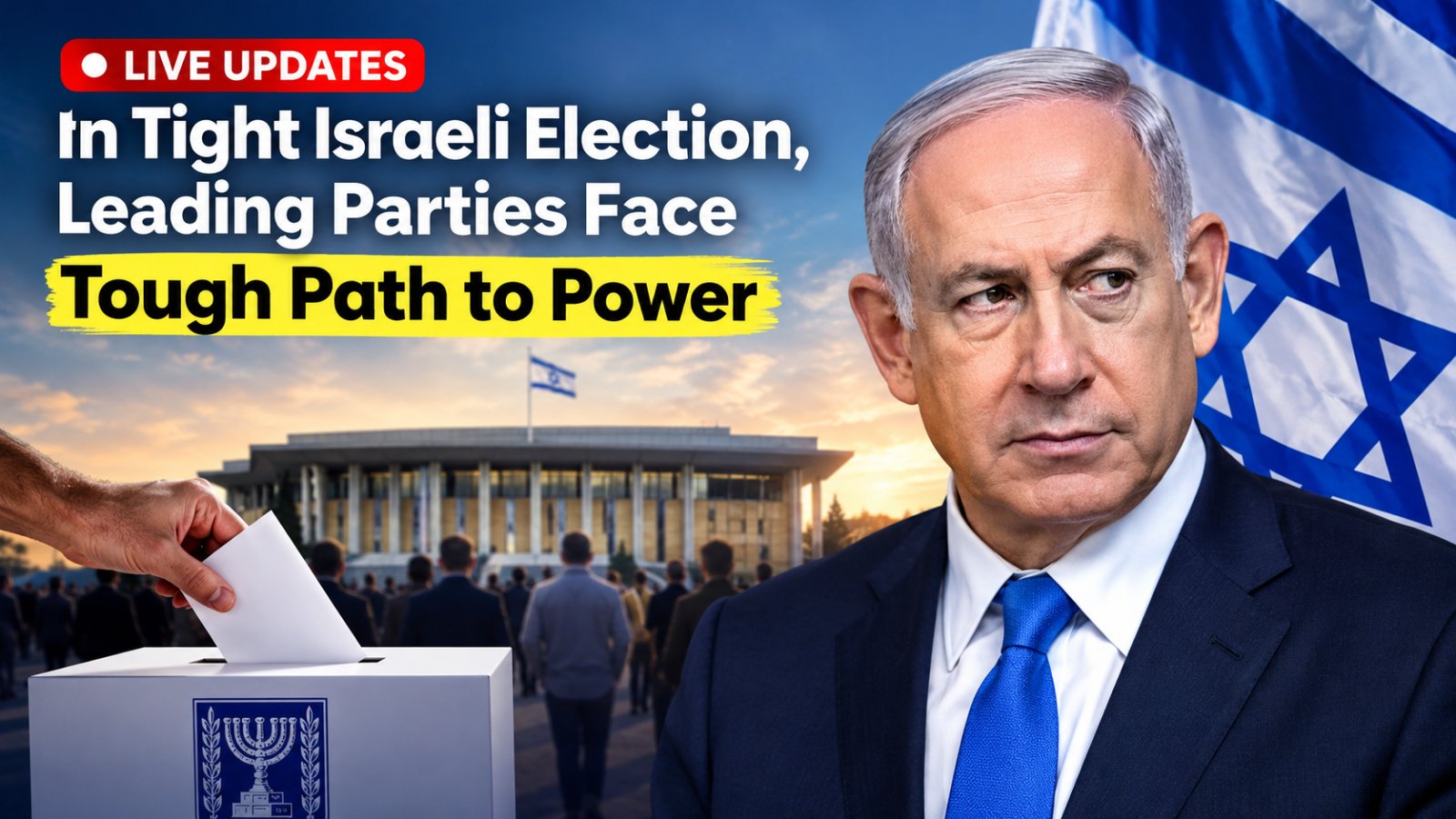
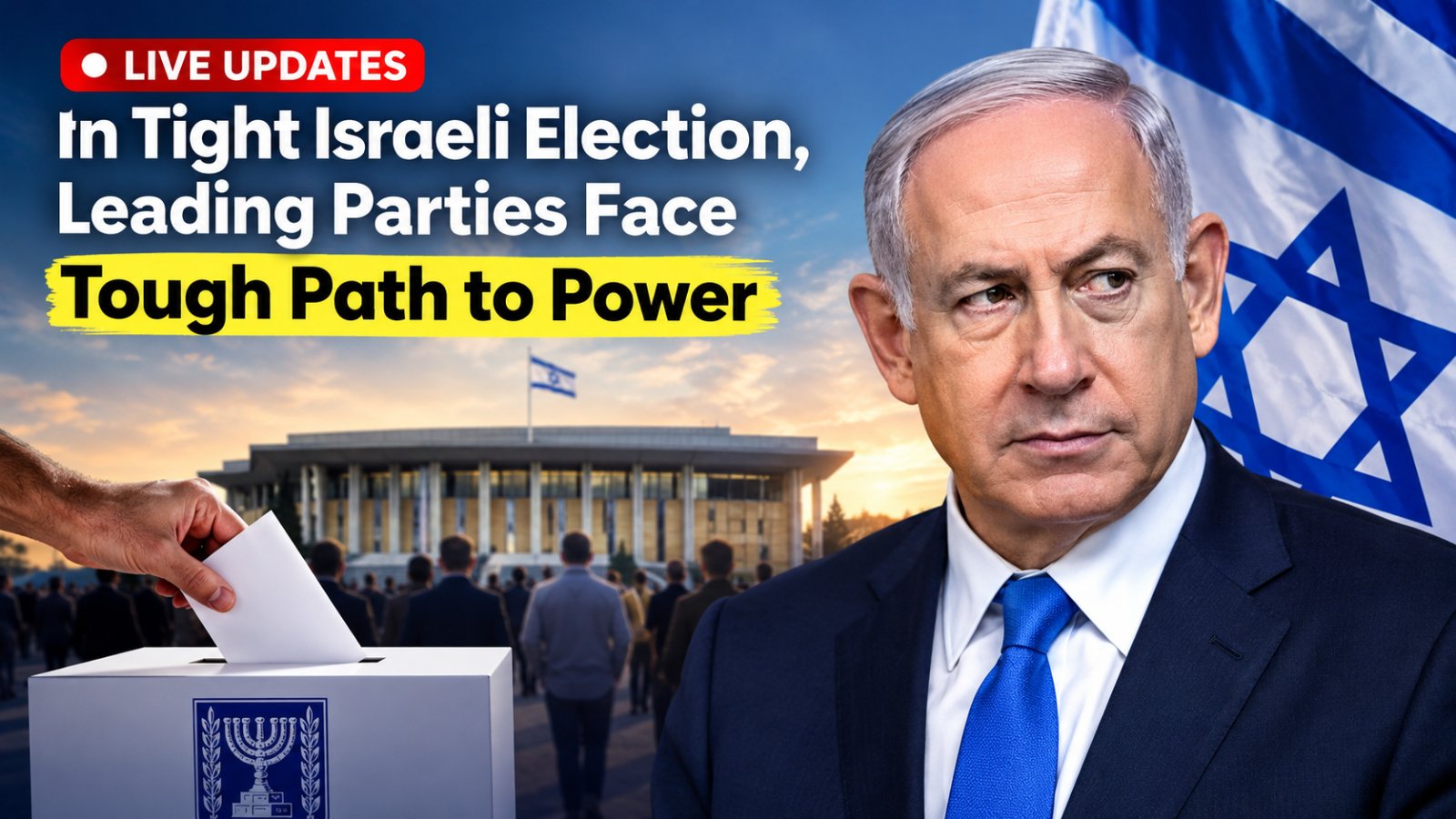
Israel Election 2026: Netanyahu and Opposition Face Tough Battle
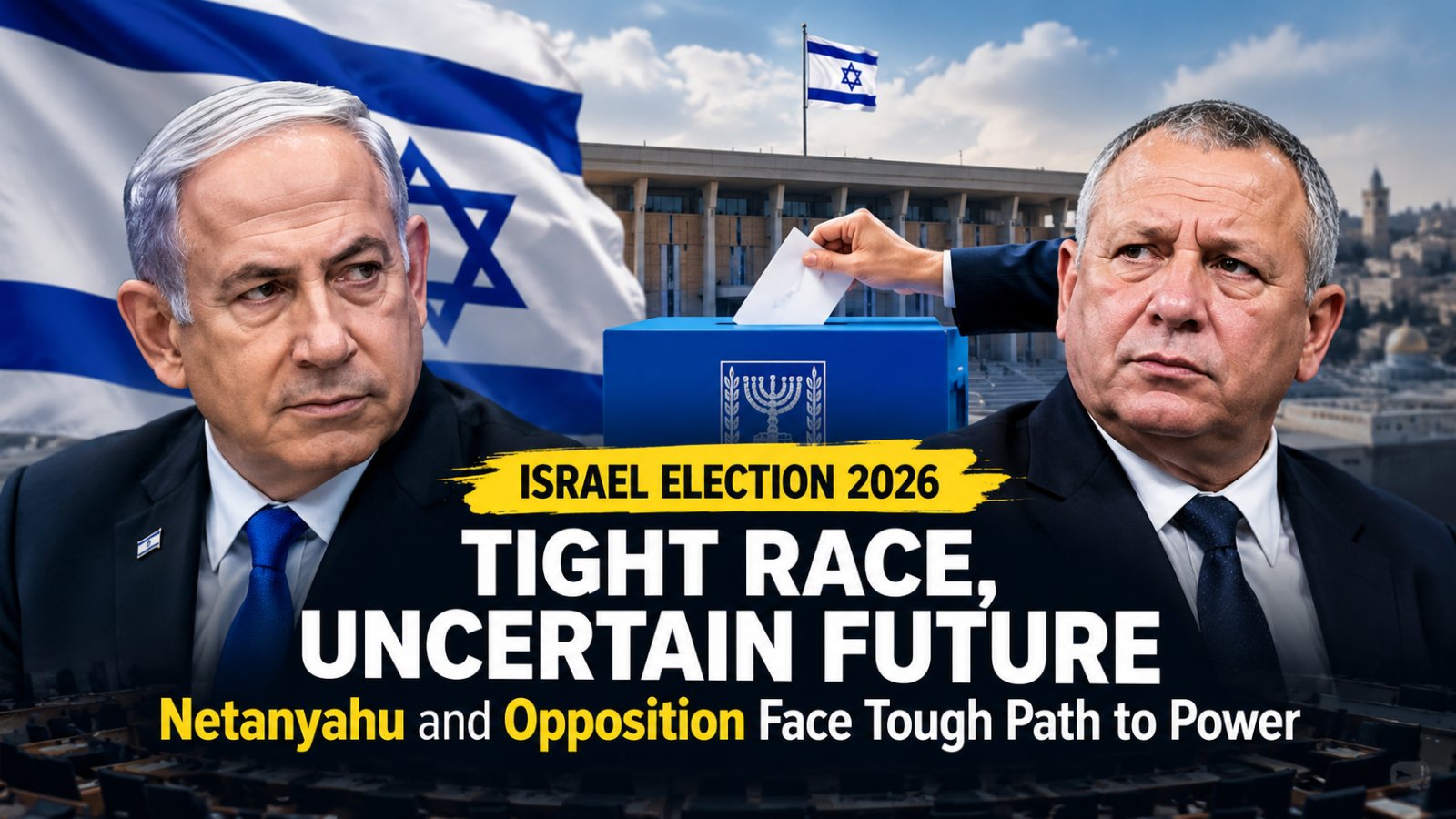
Israel Election 2026: No Clear Winner as Rival Parties Battle for Power
The Israel election 2026 has created a difficult political situation, with rival blocs competing to secure enough parliamentary support to form the next government. Early results and projections have not provided either side with a straightforward route to a majority.
Why the Election Is So Close
Prime Minister Benjamin Netanyahu's Likud party has remained a major force in the election, while opposition leader Gadi Eisenkot and allied parties are seeking to build an alternative government. However, winning the largest number of seats does not automatically guarantee control of parliament.
Israel's Knesset has 120 seats. A government generally needs the support of at least 61 members to command a majority. When no political bloc reaches that threshold, parties must negotiate with potential partners.
Coalition Negotiations Could Decide the Outcome
The next stage may involve negotiations among parties with different political priorities. Smaller parties can become influential when larger blocs fall short of a majority. These discussions can determine which candidate has the strongest chance of forming a government.
Arab-led parties could also become important in the parliamentary arithmetic, although cooperation with them remains politically controversial among some Israeli parties. The final outcome will depend on seat totals, political commitments and whether leaders can reach workable agreements.
What Happens Next?
As official counting and political discussions continue, the election result should be treated as developing news until the relevant authorities confirm the final figures. Even after the vote count, government formation may take time if the competing blocs cannot agree on a coalition.
The election's significance therefore extends beyond which party finishes first. The central question is whether any candidate can assemble a stable parliamentary majority and maintain it once the new government takes office.
Frequently Asked Questions
Who is competing for power?
Benjamin Netanyahu's political bloc and an opposition bloc led by Gadi Eisenkot are among the central contenders.
How many seats are needed for a majority?
A majority in the 120-seat Knesset generally requires support from at least 61 members.
Is the final result confirmed?
Readers should consult official election updates for the latest confirmed seat totals.
Editorial note: This article summarizes the developing political situation. Update the figures and status before publication.